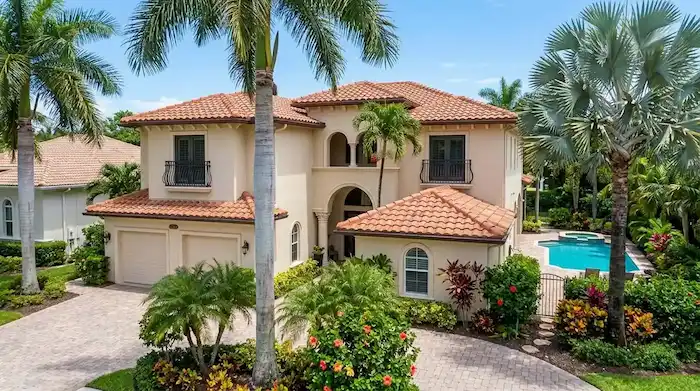
Professional Tile Roofing Installation in Orlando
Roof Bear installs, repairs, and restores clay and concrete tile roofs in Orlando and across Central Florida. We treat tile and underlayment as separate systems requiring independent evaluation, using infrared moisture detection and forensic documentation to catch failures before they reach the interior.


Beautiful and Long-Lasting Tile Roofing Services for Orlando Homes
Why Homeowners Love Roof Bear
- GAF Master Elite® and President's Award Contractor (top 1% nationally)
- Florida license CCC1334010 held by Tyler Nerland
- 4.8 stars across 200+ Google reviews
- Owens Corning Preferred Contractor
- GAF Commercial Certified and GAF Solar Certified
- Over 7,000 roof installations completed in Florida
- All in-house employees, no subcontractors
- Operating since 2020

Managing Partner · Technical Oversight Lead · Veteran
Hector's teams install every tile roofing project in Orlando - he and is personally named in dozens of customer reviews for his transparency, craftsmanship, and above-and-beyond service.
Reviewed by Hector Marin. License Number CCC1334010 held by Tyler Nerland · Verified by Florida DBPR
Why Tile Roofs Fail in Central Florida
Tile roofing systems fail in two distinct modes, and most homeowners only discover one of them. The visible tile surface can survive decades of wind, heat, and rain while the hidden underlayment beneath it rots, allowing water to migrate laterally across the roof deck until it finds a path into the attic. By the time a stain appears on the ceiling, moisture has often compromised plywood sheathing, truss members, and insulation across a much wider area than the leak location suggests. An Orlando area roofer understands that surface-only inspections miss this category of failure entirely.
The second mode involves the tile itself: cracked units from foot traffic or storm debris, displaced ridge caps from wind uplift, and corroded fasteners that no longer hold attachment. Concrete tile is particularly vulnerable to fastener corrosion when installers use undersized or non-corrosion-resistant hardware. Florida Building Code now requires tile fasteners to be corrosion resistant, not less than 11 gage, with a 5/16-inch head, and of sufficient length to penetrate the deck a minimum of 0.75 inch or through the thickness of the deck, whichever is less, according to the Florida Building Commission. Roofs installed before these standards took effect often fail at the fastener rather than at the tile, and the only diagnostic tool that reveals the pattern is a full removal and deck inspection.
Delayed repair converts a localized failure into a structural rehabilitation project. Water damage spreads. Mold colonizes damp wood. Insurance adjusters measure replacement cost, not repair cost, when claims cross certain damage thresholds. The financial and timeline consequences of waiting six months are rarely proportional to the severity of the initial symptom.
Pre-Repair Inspection and Moisture Mapping
We carry infrared cameras to locate moisture intrusion that is not yet visible from the interior. Thermal imaging reveals temperature differentials where wet plywood loses insulating capacity, mapping the full extent of water migration beneath intact tile. We document every deficiency with photographs, GPS-tagged where patterns suggest systemic failure rather than isolated damage. The written report identifies underlayment condition, fastener integrity, flashing adequacy at valleys and penetrations, and structural deck soundness. We deliver this report with repair recommendations and a cost estimate within 24 hours. Inspections are free when paired with a repair or replacement quote.
Underlayment Selection and Installation Standards
For slopes less than 4:12, we install a layer of self-adhering polymer-modified bitumen that complies with ASTM D1970, as recommended by the NRCA. For steeper slopes, we use high-temperature underlayment rated for tile applications, which can reach surface temperatures exceeding 160°F on Central Florida summer afternoons. The underlayment serves as the primary waterproofing membrane; tile is the sacrificial armor layer above it. We lap all seams per manufacturer spec, seal around every penetration, and install drip edge at eaves and gables as required by the 2026 Florida Building Code for steep-slope roofs.
Roof Deck Evaluation and Reinforcement
We verify deck thickness before tile installation. Tile weight varies by profile: standard concrete Capistrano tile runs approximately 900 pounds per 100 square feet, while Eaglelite versions of the same profile weigh 570 pounds, according to Eagle Roofing. Malibu profiles in standard formulation weigh 903 pounds per 100 square feet; Florida-specific versions run 770 pounds. We replace any deck section showing rot, delamination, or deflection under load, using exterior-grade plywood that meets Florida High Velocity Hurricane Zone (HVHZ) standards where applicable.
Tile Installation and Fastener Compliance
We secure every tile with corrosion-resistant fasteners meeting the 11-gage, 5/16-inch head specification required by Florida code. Hip and ridge tiles receive mechanical attachment rather than relying solely on mortar, which can crack and fail under thermal cycling. Valley flashing uses 24-gauge sheet metal in regions that experience severe weather; we recognize the use of 26-gauge material in lower-exposure applications but default to the heavier standard for Orlando-area installations.
Flashing Integration at Penetrations and Transitions
Chimney flashing, vent pipe boots, and skylight perimeters are layered into the underlayment sequence so that water always moves downslope over the upper surface of each component. We use lead or copper step flashing at wall-to-roof transitions, mechanically fastened to the vertical surface and embedded beneath each tile course. Valley flashing extends at least six inches onto each adjoining plane and is sealed with roofing mastic where tile edges abut the metal. Ridge cap tiles receive a continuous bead of mortar or foam closure at the eave-facing edge to block wind-driven rain while allowing attic ventilation to exit at the ridge vent.
Post-Installation Inspection and Documentation
We walk the completed roof to verify fastener engagement, tile alignment, and flashing continuity before removing staging equipment. Photographs document fastener patterns, valley details, and ridge cap installation for warranty and insurance purposes. The final report includes material lot numbers, installation date, crew lead signature, and building permit sign-off. This documentation package supports HOA approval processes, insurance underwriting, and future roof certification when properties change hands.
Tile Roof Performance Standards and Lifespan Data
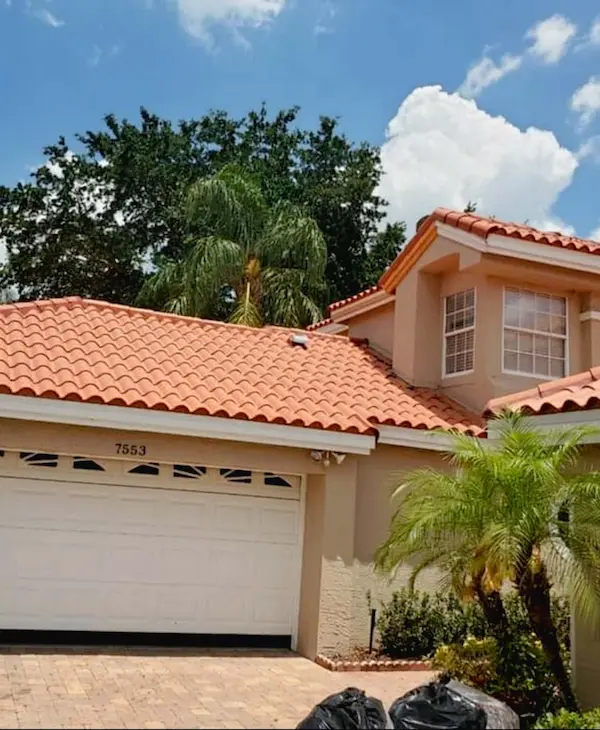
Almost all roof tile manufacturers provide a 50-year limited warranty on their product, covering break strength only. The warranty excludes installation failures, underlayment deterioration, and fastener corrosion. On average, clay tiles have a useful life of 50 to 100 years or more with proper care and maintenance, according to Today's Homeowner. A well-installed, properly maintained tile roof lasts 50 to 100 years, according to Santafé Tile, which offers a 100-year limited warranty on all its tiles. The gap between tile lifespan and system lifespan is underlayment: when the waterproofing membrane fails at year 25, the tile above it may still have 50 serviceable years remaining, but the roof system requires re-underlayment and tile reinstallation.
Roofing contractors generally provide a written warranty against failures caused by improper installation of the roof, ranging from one to five years and occasionally as high as 10 years. We offer roof warranties that range from 25 to 50 years, covering both material and workmanship. The distinction matters during insurance claims and resale: a transferable warranty with clear scope and a traceable contractor reduces buyer objections and supports property value.
What Our Customers Report
James Andrews wrote in a review: "if it had not been for rain the roof would have been done in one day. they were fast and efficient, a few hours after they completed the roof the weather radio went off and we had strong winds and hail and lightning and this was the perfect test for the new roof, went out after it passed and no problems, no leaks inside and no shingles blown off!"
Service Area
We serve Orlando and communities across Central Florida, including Winter Park, Altamonte Springs, Longwood, Lake Nona, Oviedo, Apopka, Sanford, Clermont, and Kissimmee. Our service area extends across Orange County, Seminole County, and Lake County.
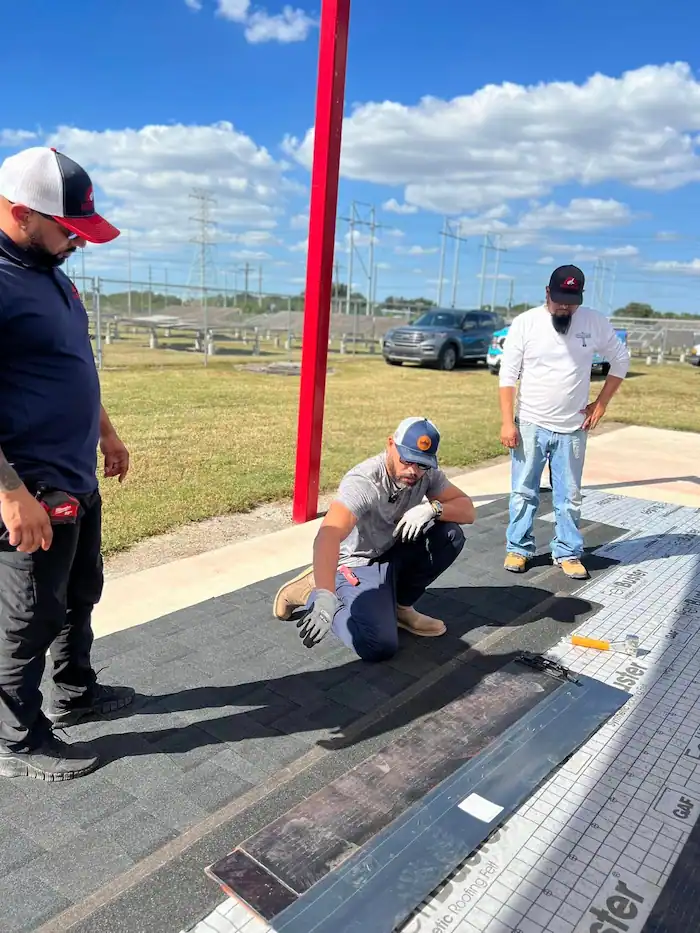
Get a FREE Quote Today!
Our team of friendly experts can assess the needs of your home and provide you with the knowledge you need to make informed decisions.

Award-Winning Florida Roofing Company




Frequently Asked Questions About Tile Roofing in Orlando
What is the typical cost to replace a tile roof in Florida?
For a typical 1500 square foot home in Florida, tile roofing starts around $18,000. The average cost of a new clay roof, including material and installation, ranges from $16,524 to $23,855 based on a typical 1,700-square-foot roof, according to Today's Homeowner figures from 2025. Spanish-style tiles run $9 to $14 per square foot, translating to $15,300 to $23,800 for a standard 1,700-square-foot roof. Barrel-style tiles cost $15 to $20 per square foot, putting the total between $25,500 and $34,000. These ranges reflect differences in tile weight, profile complexity, and fastener count required for wind uplift compliance.
What is the 25% roof rule in Florida?
Florida Statutes 553.844(5) states that if an existing roofing system or roof section was built, repaired, or replaced in compliance with the 2007 Florida Building Code or any subsequent edition, and 25 percent or more of that roofing system or roof section is being repaired, replaced, or recovered, only the repaired, replaced, or recovered portion must be constructed to the Florida Building Code in effect. Roofs predating it remain subject to the full 25 percent rule in FBC-EB 706.1.1, which often requires bringing the entire roof into current code compliance once the repair threshold is crossed. The statute creates a compliance watershed: cross 25 percent and the project scope expands significantly.
What's the life expectancy of a tile roof in Florida?
Clay and concrete tile roofs last 50 years or more with proper installation and care. Clay tiles specifically have a useful life of 50 to 100 years or more with proper care and maintenance, according to Today's Homeowner. The underlayment beneath the tile typically requires replacement every 20 to 30 years, depending on material quality and attic ventilation adequacy. Heat reflection from tile surfaces reduces thermal cycling stress on the waterproofing membrane, extending service intervals compared to dark asphalt installations. A tile roof approaching 50 years in Central Florida usually needs underlayment renewal and fastener inspection but often retains serviceable tile that can be cleaned, sorted, and reinstalled.
What is the 15 year roof rule in Florida?
The 15-year roof rule is an insurance underwriting guideline, not a building code requirement. Many Florida insurers require inspection or replacement of roofs older than 15 years as a condition of policy issuance or renewal. The rule reflects actuarial data linking roof age to claim frequency, particularly for wind and water damage during hurricane season. Tile roofs often receive more favorable treatment than asphalt installations because their documented lifespan exceeds the underwriting threshold, but insurers still require a roof certification or recent inspection report confirming serviceable condition. We provide the documentation insurers require: fastener integrity verification, underlayment condition assessment, and a written statement of remaining useful life signed by a Florida licensed contractor.
Schedule Your Tile Roof Inspection in Orlando
Roof Bear provides tile roof installation, repair, and restoration services across Orlando and Central Florida. Call (407) 594-7302 to schedule a free inspection with a written estimate delivered within 24 hours, or to discuss financing starting at $0 down with approved credit.
Visualize Your New Roof!
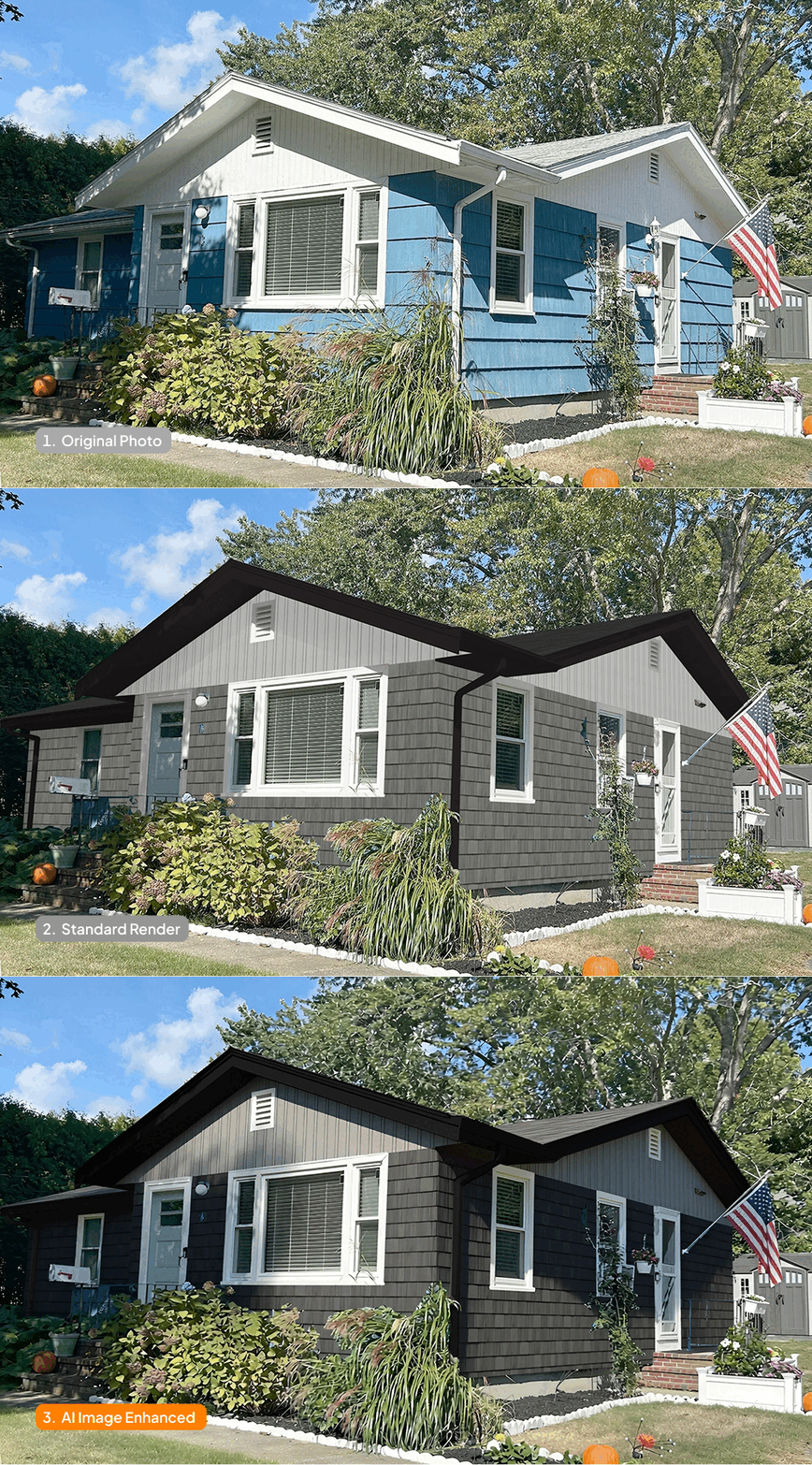
See exactly what your new roof will look like with our free visualization tool.