Professional Metal Roofing Installation in Orlando
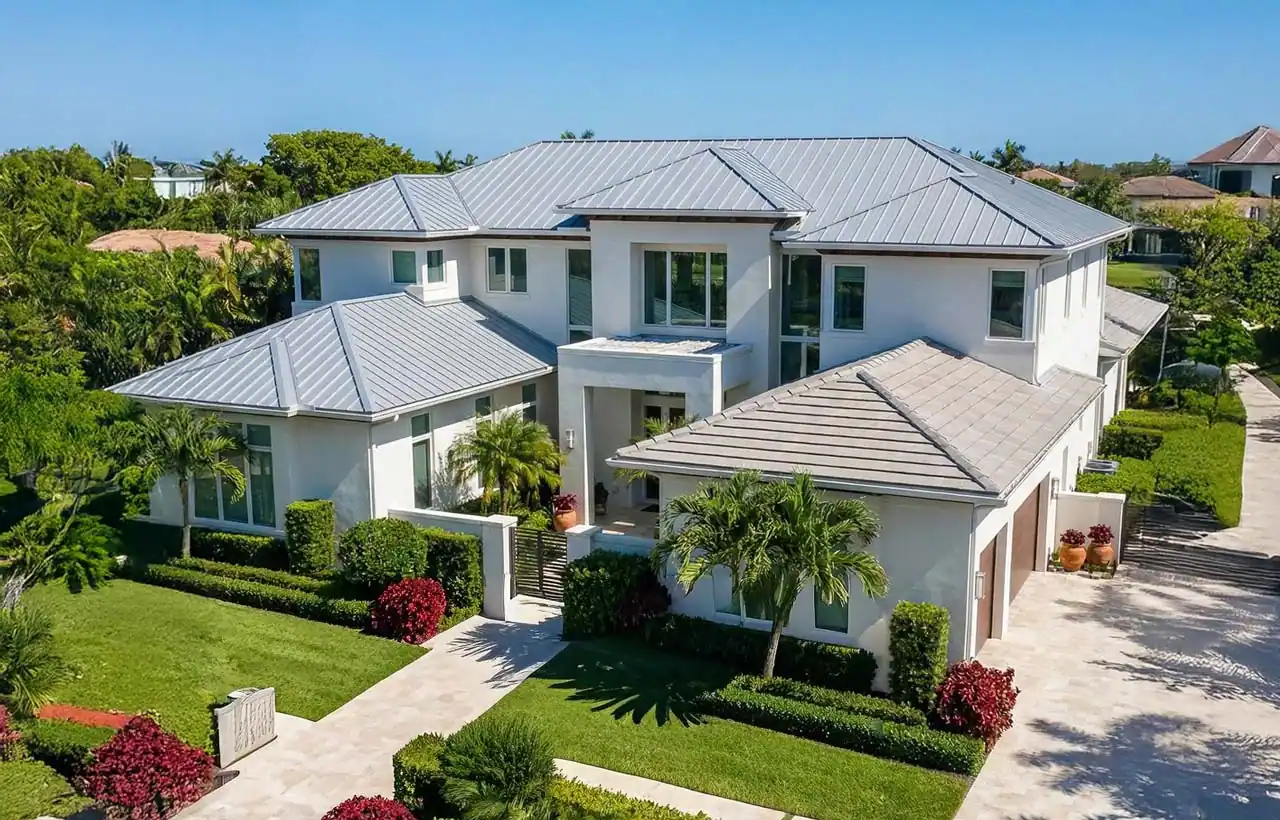
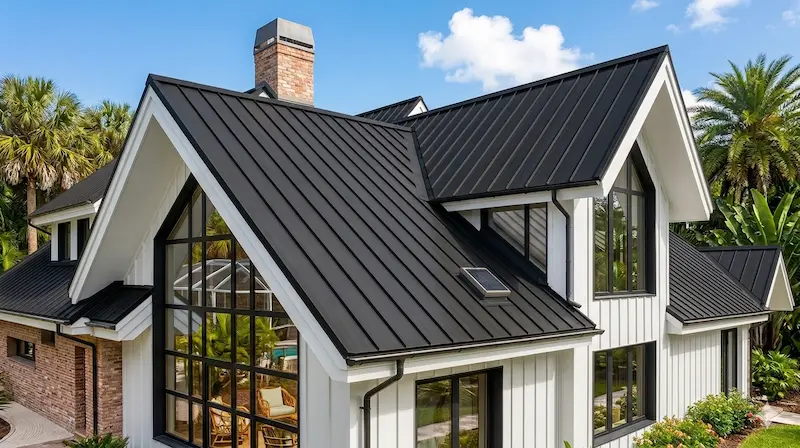
Roof Bear installs standing seam, corrugated, 5V Crimp, and metal shingle roofing for Orlando homes and commercial properties. We're a GAF Master Elite® contractor serving Orange County and Central Florida with in-house crews, licensed installation, and 50-year metal roof warranties backed by complete documentation and code compliance.

Our Comprehensive Metal Roofing Services in Orlando
Licensed Metal Roofing Credentials
- GAF Master Elite® and President's Award Contractor (top 1% nationally)
- Florida license CCC1334010 held by Tyler Nerland
- 4.8 stars across 200+ Google reviews
- Owens Corning Preferred Contractor
- GAF Commercial Certified and GAF Solar Certified
- Over 7,000 roof installations completed in Florida
- All W-2 employees, all in-house with no subcontractors

Managing Partner · Technical Oversight Lead · Veteran
Hector's highly trained teams install every meal roofing project in Orlando - he and is personally named in dozens of customer reviews for his transparency, craftsmanship, and above-and-beyond service.
Reviewed by Hector Marin. License Number CCC1334010 held by Tyler Nerland · Verified by Florida DBPR
Why Metal Roofing Demands Florida-Specific Engineering
Asphalt shingles deteriorate rapidly under Orlando's heat and UV exposure. Granule loss accelerates. Adhesive strips soften. Within fifteen years, most asphalt roofs show edge curling and thermal fatigue that shortens their functional life well below the rated warranty period. Tile roofs carry longer lifespans but crack under thermal cycling, trap moisture in underlayment, and require specialized structural support that older Orlando homes often lack without expensive framing reinforcement.
Metal roofing solves the thermal and wind problems simultaneously, but only when the system meets Florida Building Code wind uplift requirements. Incorrect fastening patterns, missing clips on standing seam panels, or wrong gauge metal turn a premium material into a liability during hurricane-force wind events. We've seen aftermath damage where panels lifted because the installer used screws instead of concealed clips, or where corrugated metal pulled free because the fastener schedule didn't match the tested assembly.
Florida's 25 percent repair threshold adds a compliance trigger most homeowners don't know exists. When repair or replacement covers 25 percent or more of a roof section built before the 2007 Florida Building Code took effect in March 2009, the entire section must be brought to current code standards. That includes underlayment, attachment methods, wind uplift ratings, and structural adequacy. A metal roof installation on a pre-2009 structure becomes a full code-upgrade event, not just a recover. Roof Bear Orlando can help you figure out exactly where you stand within these codes.
Structural Inspection and Load Verification
We measure existing rafter spacing, decking thickness, and truss condition before specifying metal panel type and gauge. Standing seam panels require solid decking or purlins at tested spacing intervals. 5V Crimp and corrugated profiles permit wider spans but still demand verified structural support. For homes with 24-inch rafter spacing and half-inch plywood, we specify clip spacing and fastener schedules that match the tested assembly. If the existing structure can't support the chosen metal system without reinforcement, we document it and price the framing work required to meet code.
Underlayment and Ice and Water Shield Application
Florida Building Code requires self-adhering underlayment at eaves, valleys, and penetrations. We install Ice and Water Shield at all vulnerable transitions, then lay synthetic underlayment across the entire roof deck. The underlayment provides secondary water protection and prevents condensation contact with the metal panels. Our crews overlap each course by the manufacturer's specified margin and seal all laps to create a continuous moisture barrier before the first metal panel goes down.
Panel Layout and Fastening to Tested Standards
Standing seam panels use concealed clips that allow thermal expansion while maintaining wind uplift resistance. We space clips per the tested assembly schedule, typically 12 to 18 inches on center depending on panel profile and wind zone. Each clip fastens through the decking into structural framing with corrosion-resistant screws. Exposed-fastener profiles like 5V Crimp and corrugated metal require hex-head screws with neoprene washers, placed in the flat of the panel, not the corrugation, to prevent leakage. Every fastener torque gets verified to prevent over-compression that crushes the washer or under-torque that permits uplift.
Ridge Cap, Flashing, and Penetration Details
Ridge cap installation determines whether wind drives under the peak during a storm. We install continuous ridge venting where attic ventilation is required, then fasten metal ridge cap over the vent with staggered screws that prevent water entry. Flashing at chimneys, skylights, and HVAC penetrations gets custom-bent from matching gauge metal, sealed with polyurethane sealant rated for metal-to-metal joints, and fastened in a way that permits thermal movement without breaking the seal. Fascia and soffit trim complete the perimeter, covering exposed edges and creating a finished appearance that meets HOA requirements in communities like Lake Nona, Winter Park, and Windermere.
Final Inspection and Documentation
We photograph every stage of the installation: deck condition, underlayment application, clip placement, fastener patterns, flashing details, and completed roof. Dan Trombley noted in his review that the roof passed inspection without a problem. That outcome starts with correct execution at every step. We request the final building inspection and provide the homeowner with a complete documentation package: permit sign-off, material warranty certificates, labor warranty, and the photo record showing code-compliant installation.
Testing Standards That Define Metal Roof Performance
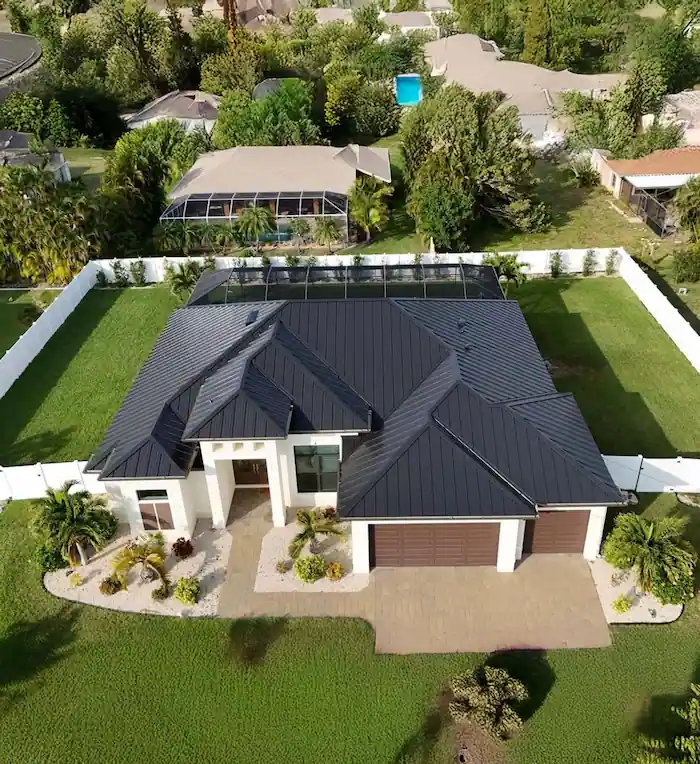
Metal roofing performance in high-wind zones depends on tested assemblies, not generic installation. According to McElroy Metal, ASTM E1592 is the most accepted wind uplift standard in the metal roofing industry. The test applies wind pressure to a specimen over open framing at span lengths between one and five feet, increasing pressure until catastrophic failure. UL 580 tests at 30, 60, and 90 psf increments, with oscillating pressure between 90 and 105 psf during the final stage, and applies a factor of safety of 2.0 to the passing value. A panel rated Class 90 under UL 580 carries an allowable design pressure of 52.5 psf after that factor.
Florida's hurricane exposure makes these ratings non-negotiable. As documented by BNP Media, Hurricane Irma caused $77.5 billion in damages when it struck Florida in 2017, while the 2020 season set a record with seven tropical cyclones and thirteen severe storms producing a cumulative $1.3 trillion in damages from storms and cyclones since 1980. Those figures explain why Orlando metal roof installations must reference tested assemblies and match the fastening schedule, gauge, and clip spacing to the testing lab's documentation. Substituting a different clip brand or changing fastener spacing invalidates the test and leaves the homeowner uninsured when the system fails during a named storm.
What Our Metal Roofing Customers Say
Edwin Sanchez wrote: "Metal Roof 50 year warranty. Love the colors. They clean their work site. Again amazing work! Great constant communication! Definition of professionalism."
Clint DeBoer described his experience: "Roof Bear walked me through every aspect of what they would be doing with my standing seam metal roof, including the materials used, installation process, nailing code, color options, and warranty."
Grove Info noted: "Hector communicated throughout the process with photo updates. Our church knows Hector personally and can confidently attest to his character, and also now the professionalism of the Roof Bear team!"
Frances Stacy shared: "So happy with my new 26GA Kynar painted black matte PermaShield Metal Roof. This roof should last for 50-70 years!"
Metal Roofing Service Area
We serve Orlando, Winter Park, Lake Nona, Windermere, Apopka, Ocoee, and Kissimmee across Orange County, Seminole County, and Osceola County in Central Florida. Our in-house crews travel throughout the Orlando metro area for residential and commercial metal roof installations.

Get a FREE Quote Today!
Our team of friendly experts can assess the needs of your home and provide you with the knowledge you need to make informed decisions.

Award-Winning Florida Roofing Company




Frequently Asked Questions About Metal Roofing in Orlando
How much should a metal roof cost in Florida?
For a typical 1500 square foot home in Florida, a standing seam metal roof costs between $14,000 and $25,000. In the Orlando area specifically, metal roofing runs $9 to $23 per square foot installed, translating to $18,000 to $40,000 for a 2,000 square foot home. Price varies with panel profile, gauge thickness, coating type, and roof complexity. According to Consumer Reports, metal shingles range in price from $310 to $500 per square not including installation, while asphalt shingles range from under $50 per square to more than $300 for premium products. The upfront difference is substantial, but standing seam metal roofs carry a lifespan of 50 to 70 years compared to the 20 to 30 years typical for asphalt.
Is a metal roof a good idea in Florida?
Yes, when correctly installed to tested wind uplift standards. Metal roofing resists hurricane-force winds, doesn't deteriorate under UV exposure the way asphalt does, and sheds water instantly without trapping moisture in underlayment. Many insurers offer premium reductions averaging $800 to $1,600 annually for homes with metal roofs due to proven wind and fire resistance. Metal options now account for roughly 15 percent of the residential roofing market, up from less than 3 percent two decades ago, as reported by Consumer Reports. Florida's evolving code requirements favor materials that perform under extreme conditions, making metal a logical long-term choice for Orlando homeowners evaluating lifecycle cost.
Which metal roofing company is the best in Florida?
Look for a contractor holding GAF Master Elite certification, which is earned by fewer than 2% of roofing contractors in North America. Verify Florida roofing licensure, request proof of testing compliance for the specific panel system being quoted, and ask whether the crew is in-house or subcontracted. We're licensed under CCC1334010, maintain 48 in-house employees, and provide complete documentation including photos at every installation stage. Any metal roofing company you consider should offer transparent references to tested assemblies, a material warranty from the manufacturer, and a labor warranty covering installation defects for at least ten years.
What is the biggest problem with metal roofs?
Incorrect fastening that invalidates the tested assembly and permits wind uplift or water intrusion. Standing seam systems fail when installers use exposed screws instead of concealed clips, or when clip spacing doesn't match the tested schedule. Exposed-fastener profiles leak when screws are over-torqued, crushing the neoprene washer, or placed in corrugations instead of panel flats. Thermal expansion also causes problems if flashing and trim aren't detailed to permit movement. A metal roof installed without reference to the manufacturer's tested assembly and Florida Building Code wind uplift requirements performs worse than asphalt during a storm, despite the material's inherent durability.
Schedule Your Metal Roofing Estimate in Orlando
Roof Bear provides licensed metal roof installation across Orlando and Central Florida with in-house crews, complete code compliance, and documented testing standards. Call (407) 594-7302 or request a free estimate online. We respond within 24 hours, and financing starts at $0 down with approved credit.
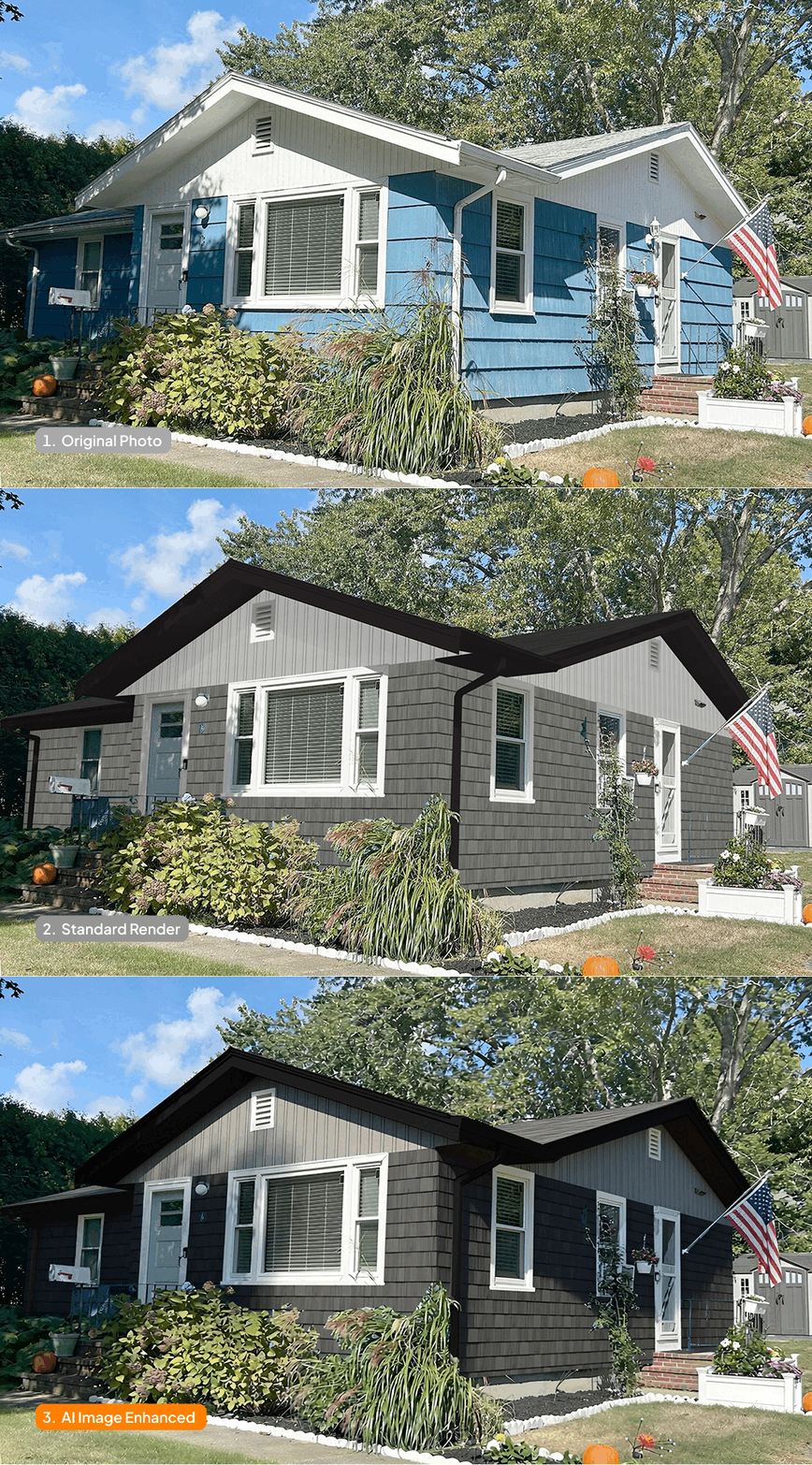
Visualize Your New Roof!
See exactly what your new roof will look like with our free visualization tool.