The Most Trusted Roof Inspection in Orlando, FL for Unwavering Protection
A documented roof inspection in Orlando protects you against insurance claim delays, contractor ambiguity, and hidden moisture damage that worsens unseen. We deliver same day service with drone photography, thermal imaging, and immediate protective measures so you hold proof of condition before the next storm, not after.


Protect Your Home with a Detailed Roof Inspection
Licensed, Certified & Proven in Florida
- GAF Master Elite® and President's Award Contractor (top 1% nationally)
- Florida license CCC1334010 held by Tyler Nerland
- 4.8 stars across 200+ Google reviews
- GAF Commercial Certified and GAF Solar Certified
- Owens Corning Preferred Contractor
- Over 7,000 roof installations completed in Florida
- 48 employees, all in-house with no subcontractors
- Operating since 2020

Managing Partner · Technical Oversight Lead · Veteran
Hector's highly trained inspection team is ready to uncover anything that lies beneath your shingles, tiles or metal roofing - he and is personally named in dozens of customer reviews for his transparency, craftsmanship, and above-and-beyond service.
Reviewed by Hector Marin. License Number CCC1334010 held by Tyler Nerland · Verified by Florida DBPR
Why Documented Inspections Matter More Than You Think
Most homeowners treat roof inspections as compliance paperwork. The reality is harsher. Your insurance adjuster will compare claim photos against the last documented condition report. If you cannot prove the damage occurred during the storm you are claiming, the carrier will attribute it to deferred maintenance and deny coverage. That gap between what you remember and what you can prove costs Florida homeowners tens of thousands in rejected claims every year.
Hidden moisture is the second failure mode. As an Orlando roofing contractor, we regularly see UV damage and algae growth - creating surface indicators, but subsurface leaks migrate laterally through sheathing and insulation before they ever stain a ceiling. By the time water damage becomes visible from inside, structural damage has often spread beyond the repair footprint you budgeted for. A walk-around visual inspection misses what thermal imaging and moisture meters detect early.
The third risk is timing. Some carriers will not write new policies on homes with roofs older than 15 years without a recent inspection certifying remaining useful life, and others impose higher premiums or mandate replacement as a condition of coverage, as detailed in Florida Statutes 627.7011. Waiting until you need the policy to learn you cannot get one leaves you uninsurable and unable to close a sale or refinance.
Our Orlando Roof Inspection Process
We conduct a five-zone inspection covering the rooftop, attic, perimeter, garage, and interior. Every deficiency is photographed, geo-tagged, and cataloged in a written report you receive within 24 hours. Here is how each zone works.
Rooftop Surface Assessment
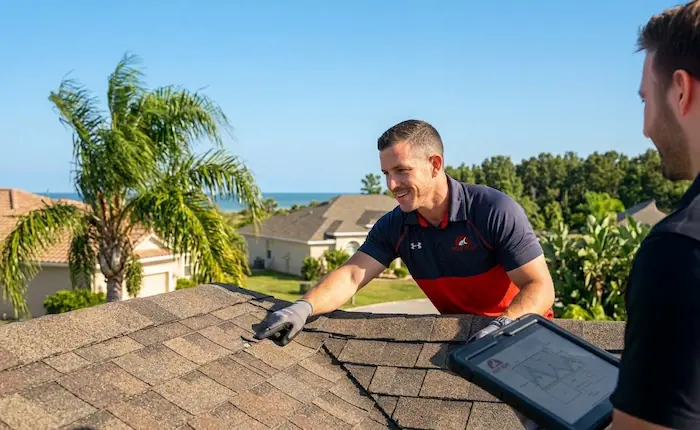
We photograph the entire roof surface using drone imaging to document shingle condition, granule loss, cracking, curling, and UV damage without the access limitations and safety risks of ladder work. Drone views capture ridge vents, flashing details at chimneys and skylights, and perimeter edge metal that a ground observer cannot see clearly. The aerial perspective also records debris accumulation in valleys and around penetrations, which accelerates localized weathering.
We measure slope, verify fastener patterns where shingles have lifted, and check manufacturer installation guidelines against what is actually there. For tile roofs, we inspect for cracked or slipped tiles, deteriorated underlayment exposure, and mortar condition at hips and ridges. On metal roofs, we examine panel seams, fastener tightness, and paint finish for early corrosion indicators.
Thermal Imaging for Hidden Moisture
Thermal imaging detects temperature differentials caused by trapped moisture in insulation and sheathing. We use infrared cameras calibrated to ASTM C1153, the industry standard for locating wet insulation in roofing systems. The protocol requires no appreciable precipitation for at least 24 hours before the survey and wind speeds below 25 km/h during scanning to avoid false readings from convective cooling.
Wet insulation appears cooler on the infrared image because retained moisture evaporates slower than dry material, creating a thermal signature invisible to the naked eye. We mark each anomaly, then verify it with a pin-type or capacitance moisture meter to confirm the moisture content before recommending any action. This two-step verification prevents unnecessary tear-outs driven by ambiguous thermal data.
Attic and Ventilation Inspection
Attic conditions tell the story of the roof above. We inspect sheathing from below for staining, delamination, and sagging that indicates chronic leakage or inadequate ventilation.
Insulation type, depth, and compression matter. Compressed fiberglass loses R-value, and wet insulation loses almost all insulating capacity while promoting mold growth and fastener corrosion. We photograph any compromised insulation and note its location relative to roof penetrations so repair crews know where moisture entered.
Flashing, Fascia, and Perimeter Details
Step flashing at sidewalls, counter-flashing at chimneys, and valley metal are the most common leak initiation points because they depend on layering sequence and sealant integrity, both of which degrade faster than the field shingles around them. We inspect each flashing joint for gaps, rust-through, and sealant failure. We check drip edge and rake metal for proper overhang and fastener placement, which control wind uplift resistance at roof edges where the highest suction occurs during storms.
Fascia and soffit inspection reveals water intrusion from above before it reaches the interior wall. Peeling paint, rot, and insect activity near the roofline all trace back to gutter overflow or inadequate edge flashing. We document these as contributing conditions even when the roof surface looks intact, because they accelerate the next failure.
Interior Ceiling and Wall Inspection
Stains on ceilings and exterior walls locate active leaks or past ones that were patched without addressing the roof defect that caused them. We photograph every stain, measure its distance from walls and corners to triangulate the likely roof penetration above, and note whether it appears fresh or dormant. Fresh stains justify immediate exploratory repair even when the exterior shows no obvious breach.
Immediate Protective Measures
When we identify an active leak during inspection, we tarp the affected area immediately using weighted sand bags to prevent further water intrusion while you decide on repair scope and contractor selection. Tarping is not a repair, but it stops damage accumulation during the claim process or while materials are ordered. As Deborah Acord Bell wrote in her review, "Rich DeCola from Roof Bear was the only rep that did a very detailed inspection and offered to place a tarp over the leak held down by eight sand bags that I already had. This saved us from further water damage during Hurricane Helene."
Stephanie Craig described a similar experience: "They were the only company that tarped the roof (checked on it multiple times and through a storm) before giving me an estimate. Others were quick to give me a price but had no concern about the leak!"
Written Report and Documentation Delivery
We deliver a written report with photos, identified deficiencies, repair recommendations, and a cost estimate within 24 hours. The report includes roof age, material type, estimated remaining useful life, and compliance notes relevant to insurance underwriting and roof certification requirements. You receive digital copies of all drone images and thermal scans so you hold the same documentation your insurance adjuster will request if you file a claim later.
Benjamin Ussery noted the value of plain-language reporting: "The inspection was detailed and thorough, and what really impressed me was their honesty. They walked me through their findings, explained everything in plain language, and reassured me that there were no major repairs needed at this time."
Inspection Standards and Frequency
The standard baseline for residential roofing, as referenced by the National Roofing Contractors Association, is two inspections per year, one in spring following winter stress and one in autumn before freeze-thaw cycling resumes. For commercial flat and low-slope systems, the NRCA's Roofing Manual recommends inspections at least twice per year, with additional inspections after any weather event exceeding defined wind thresholds.
Any event where sustained wind speeds exceed 50 mph or hail diameter exceeds 1 inch warrants an immediate supplemental inspection, regardless of scheduled cadence, according to the National Roof Authority. Roofs within 5 years of their rated lifespan end should be inspected annually at minimum, not biannually. After a storm with strong winds, hail, or heavy snow, you should always schedule an inspection, even if you don't see any obvious damage from the ground, the National Roof Certification and Inspection Association advises.
Roof Inspection Service Areas in Orlando and Central Florida
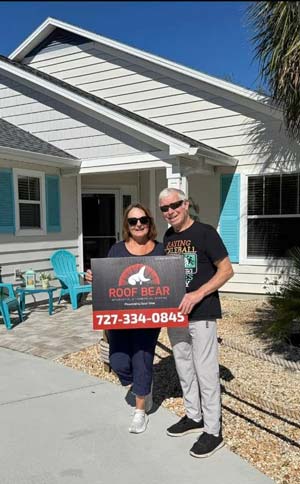
Roof Bear serves Orlando, Winter Park, Windermere, Kissimmee, Lake Nona, and the surrounding Central Florida area. We respond to inspection requests within 24 hours and provide same day service for emergency situations involving active leaks or storm damage.
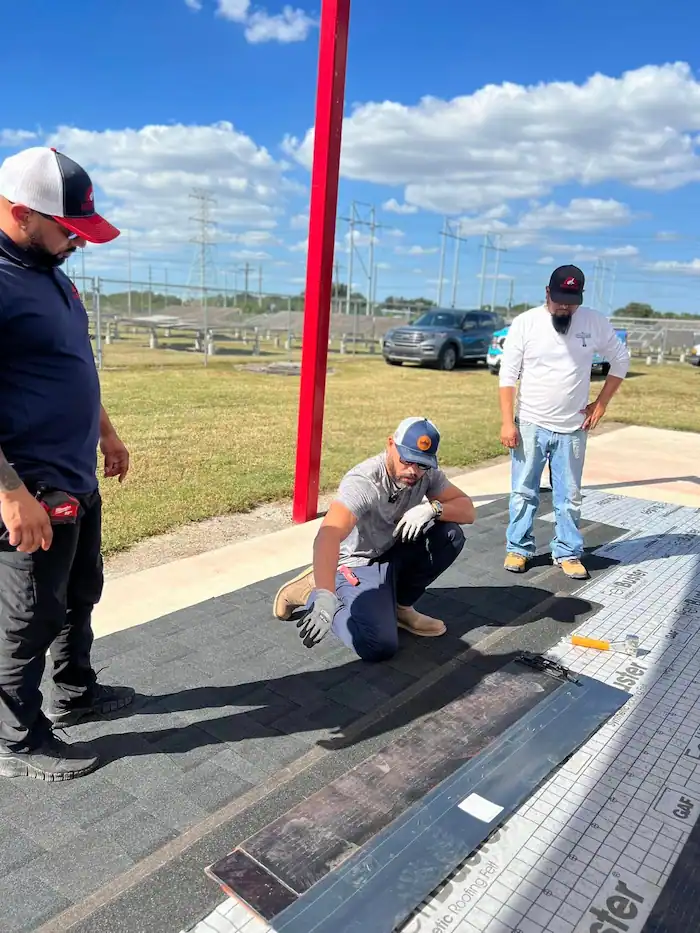
Get a FREE Quote Today!
Our team of friendly experts can assess the needs of your home and provide you with the knowledge you need to make informed decisions.

Award-Winning Florida Roofing Company




Frequently Asked Questions About Roof Inspections in Orlando
How much does a roof inspection cost in Florida?
Inspections are free when paired with a repair or replacement quote. Standalone inspections for insurance certification or pre-sale documentation typically range from $150 to $400 depending on roof size, complexity, and whether thermal imaging or moisture testing is included. We include drone photography and a written report with all inspections at no additional charge.
How much should I pay for a roof inspection?
For a comprehensive inspection that includes thermal imaging, attic assessment, and detailed documentation suitable for insurance underwriting or claim support, expect to pay $200 to $400. Basic visual inspections without diagnostic tools or formal reporting may cost less but offer limited value when your goal is insurability or claim defense. We provide free inspections when you are evaluating repair or replacement options.
How much does it cost to get a roof checked?
A thorough roof inspection with drone imaging, moisture detection, and a written condition report costs $150 to $400 in Central Florida. Many roofing contractors, including Roof Bear, offer free inspections when the inspection leads to a repair or replacement project. The inspection itself has value independent of any work you authorize, because the documentation it produces protects you during insurance renewals and claim disputes.
What is the 25% roof rule in Florida?
Florida Statutes 553.844(5) establishes that if a roofing system or roof section was built, repaired, or replaced under the 2007 Florida Building Code or later, and 25 percent or more of that system or section is being repaired, replaced, or recovered, only the repaired portion must comply with the current Florida Building Code.
Schedule Your Roof Inspection in Orlando
Roof Bear provides documented roof inspections with drone photography, thermal imaging, and immediate protective tarping when needed. We serve Orlando and Central Florida with same day service and deliver written reports within 24 hours. Call us at (407) 594-7302 to schedule a free inspection when paired with a repair or replacement quote, or to discuss standalone inspection services for insurance certification and pre-sale documentation.
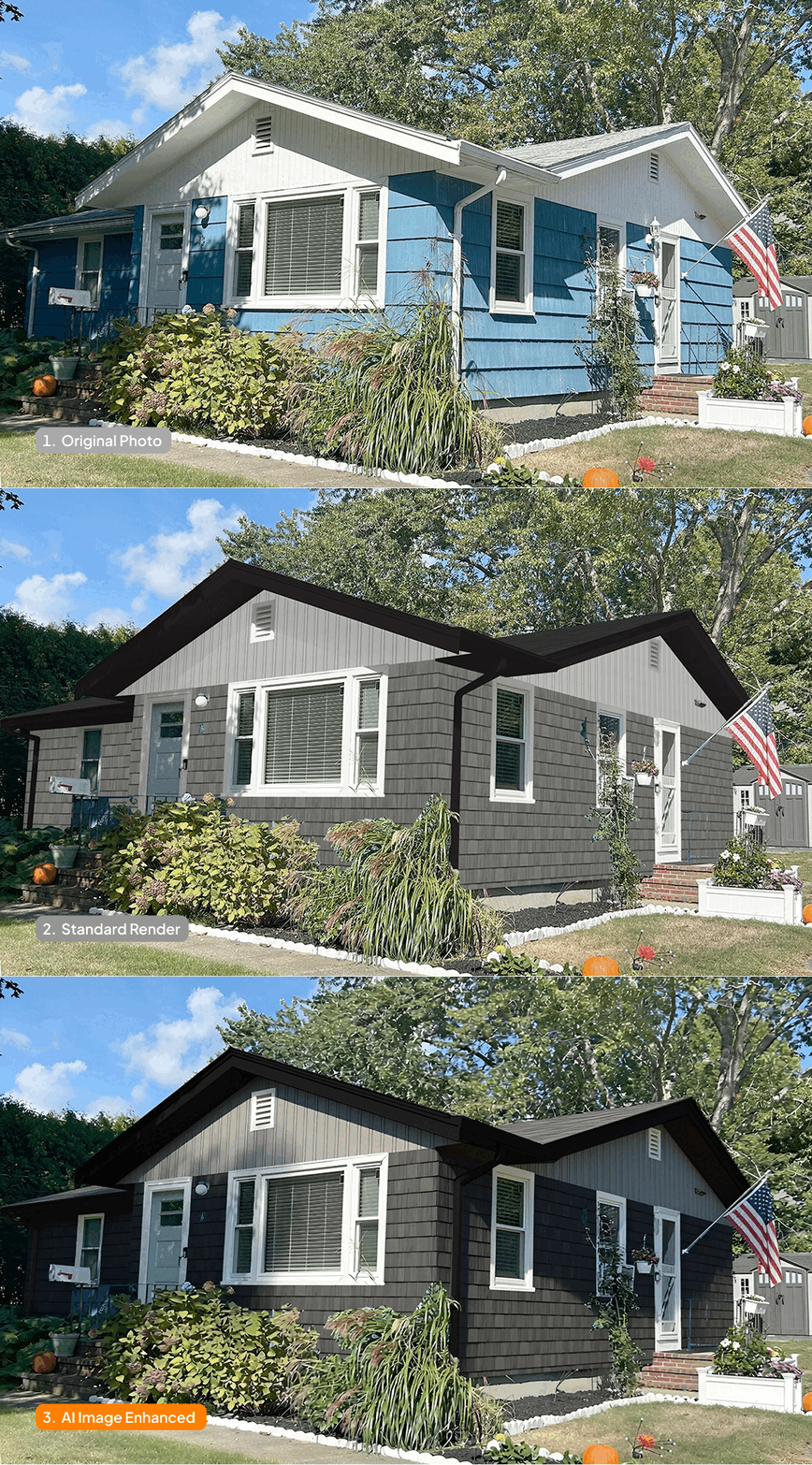
Visualize Your New Roof!
See exactly what your new roof will look like with our free visualization tool.