
Roofing Company in Port St. Lucie, FL

Roof Bear provides residential and commercial roofing services in Port St. Lucie and throughout St. Lucie County, including roof replacement, repair, inspection, metal roofing, tile installation, and asphalt shingle systems. We hold Florida license CCC1334010, operate with 48 in-house employees, and document every step from permit application through final inspection.


Weather-Ready Roofing in Port St. Lucie
- Florida roofing license CCC1334010, held by Tyler Nerland
- GAF Master Elite® and President's Award Contractor, top 1% nationally
- GAF Commercial Certified and GAF Solar Certified
- Master Elite Installer with GAF Energy
- Owens Corning Preferred Contractor
- 4.8 stars across 200+ Google reviews
- Over 7,000 roof installations completed in Florida
- W-2, all in-house employees with no subcontractors
- Operating since 2020

Managing Partner · Technical Oversight Lead · Veteran
Hector's crews are professionally trained direct employees of Roof Bear who perform all work for our Port Saint Lucie customers. Hector himself is personally named in dozens of customer reviews for his transparency, craftsmanship, and above-and-beyond service.
Reviewed by Hector Marin. License Number CCC1334010 held by Tyler Nerland · Verified by Florida DBPR
Why Port St. Lucie Roofs Require Documentation, Not Marketing
Port St. Lucie homeowners choosing a roofing contractor face a licensing landscape where there are 4,142 roofing contractors in Florida, each subject to different licensing tiers, verification requirements, and enforcement histories. A general contractor may legally bid roofing work but must subcontract it unless also certified or registered specifically for roofing, per Florida Statutes 489.105. This creates a gap between marketing presence and technical accountability. Choosing a roofer becomes a verification exercise: confirming the license holder's identity, checking whether the scope of work matches the license type, and ensuring that permits will be pulled under a verifiable credential.
Roof failures in coastal Florida carry compounding costs. A missing drip edge allows water into the fascia. The fascia rots into the soffit. The soffit decay invites secondary damage and voids wind mitigation credits. Insurance premiums rise or coverage is denied at renewal when an inspector documents non-compliance. When a storm hits, it brings out every little problem that was already hiding in your roof. The difference between a roof that passes inspection and one that fails is not visible from the curb, it is visible in the permit record, the material certifications, and the sequenced photographs documenting underlayment overlap and fastener spacing before the finish layer goes down.
Selecting a roofer in Port St. Jessica Ellis wrote in a review: "8 out of those 10 companies (storm chasers) required that we sign a 'work authorization form' which I later learned is a scammy way of them getting to control the insurance claim to get more money. Roof Bear was 1 of the 2 companies that did NOT require anything to be signed."
Our Custom Roofing Services
Roof Repair
Roof Replacement
Roof Inspection
Commercial Roofing
Storm Damage Roof Repair
Emergency Roof Repair
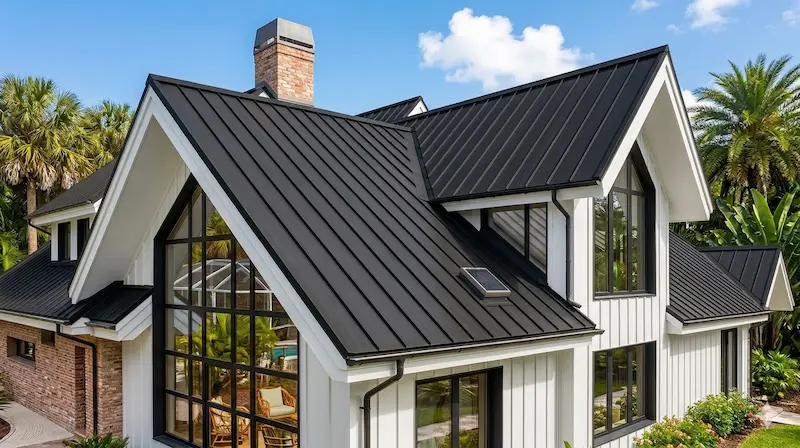
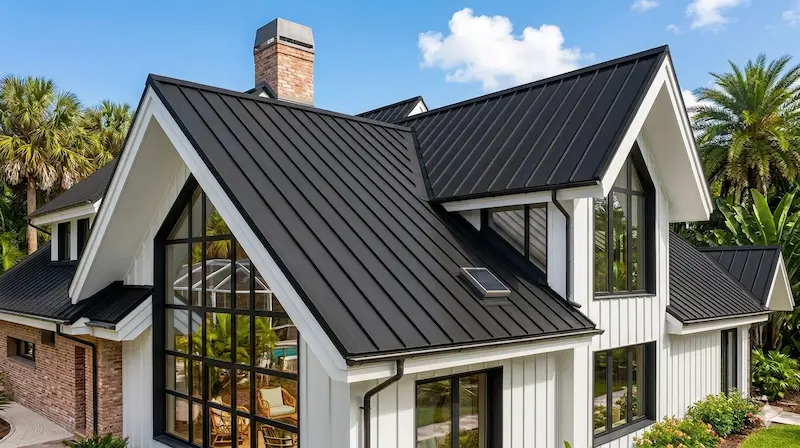
Metal Roofing
Asphalt Shingles
Tile Roofing
Award-Winning Florida Roofing Company




Get a FREE Quote Today!
Our team of friendly experts can assess the needs of your home and provide you with the knowledge you need to make informed decisions.


GAF Energy Roof Installations
Like the idea of solar but worry about roof strength during Florida storms? Solar shingles solve that by integrating directly into a durable roofing system that protects your home while generating clean energy. As roofing experts and certified GAF Energy installers, Roof Bear can build a roof that’s both storm-ready and energy-producing.

Reduce Bills by up to 50%
GAF Roofing Materials and Insulation seals your home like no other product on the market. We have seen this reduce energy bills by up to 50%!
Built for Florida
Our systems are designed and installed to handle Florida’s demanding weather while protecting your home for decades.
Roofing Experts + Solar Specialists
Roof Bear is a licensed roofing contractor and certified GAF Energy installer—so your system is installed the right way from the roof up.

Hear From Our Customers

Our Roofing Process in Port St. Lucie
We document every roofing project from initial contact through final inspection. The steps below describe the sequence, the checkpoints, and the compliance requirements we follow on every residential and commercial roof in St. Lucie County.
Initial Inspection and Scope Documentation
We conduct a full roof inspection at no charge when paired with a repair or replacement quote. The inspector photographs every elevation, documents existing materials, measures pitch, records the presence or absence of existing underlayment, and notes any penetrations, valleys, or transitions requiring flashing detail. We provide a written scope of work that lists materials by manufacturer and product line, not generic categories. If you are comparing estimates, the scope should name the underlayment type, the fastener specification, the drip edge profile, and the valley treatment method. A line item that reads "install shingles" without naming the shingle tells you nothing about wind rating, warranty tier, or code compliance.
Permit Application and Code Verification
We pull building permits under our own license for every roof replacement and for repairs meeting the 25 percent threshold established in Florida Statutes 553.844(5). The statute specifies that if an existing roofing system or roof section was built, repaired, or replaced in compliance with the 2007 Florida Building Code or any subsequent edition, and 25 percent or more of that system or section is being repaired, replaced, or recovered, only the repaired, replaced, or recovered portion must be constructed to the Florida Building Code in effect. Roofs predating it remain subject to the full code upgrade requirement in FBC-EB 706.1.1. Mor Amor noted in a review: "From start to finish, they were quick and efficient, even the permitting process was handled smoothly." Dan Trombley added: "Roof passed inspection without a problem."
Material Delivery and Staging
We schedule material delivery one to two days before installation. Shingles, underlayment, starter strips, ridge cap, drip edge, valley metal, and fasteners arrive together and are staged on-site to confirm quantities before the tear-off begins. We verify that the products delivered match the products specified in the estimate. For metal roofing, panels are fabricated to length and delivered with matching trim, closures, sealant tape, and color-matched fasteners with EPDM washers. For tile roofing, we verify that field tiles, rake tiles, ridge tiles, and hip tiles are from the same production lot to avoid color variation.
Tear-Off and Deck Inspection
We remove all existing roofing materials down to the roof deck. The deck is inspected for rot, delamination, and fastener withdrawal. We photograph the exposed deck before proceeding. Roof deck repair is billed separately when the extent of damage is not visible until tear-off, and we provide photographic documentation before any repair proceeds.
Underlayment Installation
We install underlayment in accordance with manufacturer specifications and Florida Building Code requirements for the wind zone. In other zones, we install synthetic underlayment with a minimum 6-inch side lap and 4-inch end lap, with all seams sealed. Underlayment is installed horizontally, starting at the eave and overlapping each course over the one below. Fasteners are placed at the manufacturer-specified spacing. We photograph the completed underlayment layer before any finish material is applied.
Drip Edge, Flashing, and Valley Installation
We install drip edge along all eaves and rakes. Eave drip edge is installed over the underlayment. Rake drip edge is installed under the underlayment on the rake and over it on the eave. Step flashing is fabricated and installed at every wall-to-roof intersection, with each piece overlapping the one below and extending up the wall at least 4 inches and onto the roof deck at least 4 inches. Valley flashing is installed over the underlayment and fastened at the edges, not in the center of the valley. For open valleys on asphalt shingle roofs, we use pre-formed metal valley or 24-gauge painted steel, installed with sealant at the laps. For closed-cut valleys, shingles are woven or cut and sealed per GAF or Owens Corning installation instructions.
Finish Material Installation
For asphalt shingle roofs, we install a starter strip along the eave and rake, then begin the first course of shingles with the correct offset to ensure proper alignment. Each shingle is fastened with the number and placement of nails specified in the manufacturer's installation manual and required to achieve the warranty. We install shingles in straight horizontal courses, checking alignment every five courses. Ridge cap shingles are installed with sealant and fastened through both layers into the ridge board. For metal roofing, standing seam panels are installed with concealed fasteners in the panel clips, not through the panel face. Clips are spaced per the manufacturer's specification, typically 12 to 18 inches on center. Panels are seamed with a manual or powered seamer to achieve a 1-inch or taller seam, depending on the profile. For tile roofing, each tile is fastened with corrosion-resistant fasteners through pre-drilled holes, and mortar is applied only where specified by the manufacturer, not as a substitute for mechanical attachment.
Final Inspection and Cleanup
After installation is complete, we walk the roof to verify that all fasteners are flush, all seams are sealed, all flashing is secure, and all penetrations are properly detailed. We run a magnetic sweeper over the entire property to collect metal debris and fasteners. We remove all waste material and packaging from the site. Corinne Ritter observed: "from sales, permits, install, cleanup and final inspections everything went as planned." We schedule the final building inspection with the local authority and provide the homeowner with the signed-off permit and a warranty packet including the manufacturer warranty and our workmanship documentation.
Florida Roofing Licensing and Code Authority
Florida requires that individuals applying for roofing contractor certification have four years of documented experience in the roofing industry, or up to three years of college credits plus one year of experience as a foreman. Applicants must be at least 18 years old and must pass the Florida Building Code examination for roofing contractors. Once the exam is passed, board rules provide that you must obtain your license within 4 years of receiving your exam score. These requirements establish a minimum threshold of demonstrated competence, but they do not ensure that any given contractor documents their work, pulls permits, or employs safety protocols beyond the statutory minimum.
According to OSHA, falls remain the leading cause of death and injury in the roofing industry. Compliance with fall protection standards is a basic regulatory obligation, not a competitive differentiator. We use OSHA-compliant fall arrest systems on every project, and we document our safety protocols in writing for every crew. Homeowners evaluating a roofer should verify that the contractor carries active workers' compensation coverage and general liability insurance, and that the policy limits are sufficient to cover the scope of work. An unlicensed or under-insured contractor transfers financial risk to the homeowner.
Customer Reviews
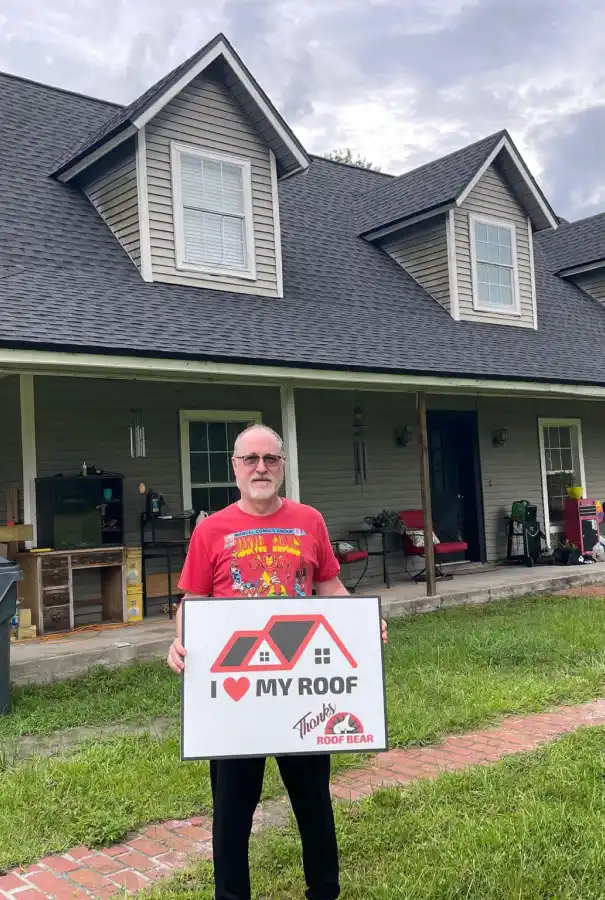
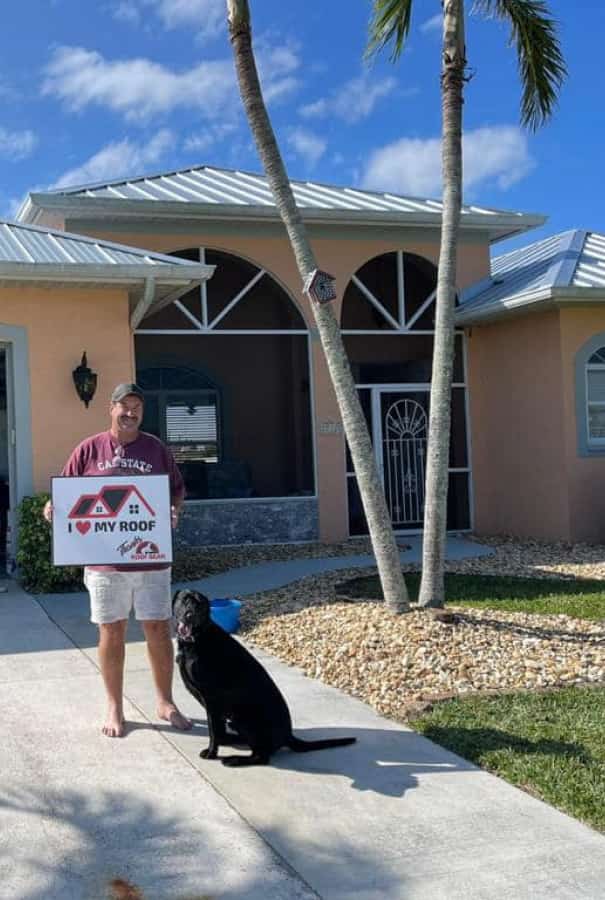
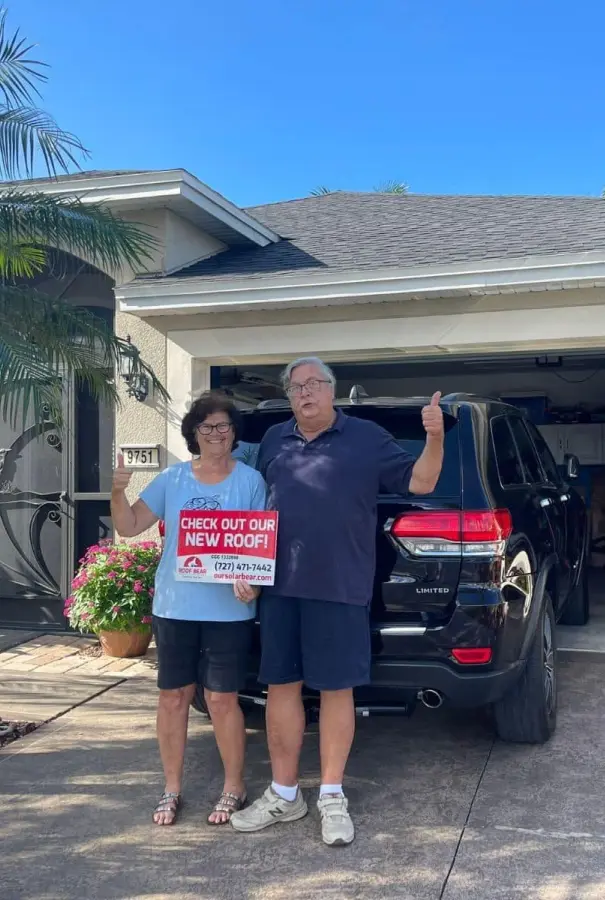
"Rich Decola was the one to come out first and he was a Godsend. I know nothing about roofing and my husband was working 24/7 so I had to handle it all, and Rich made me feel so at ease with this whole process AND took the time to educate me with no strings attached."
Jessica Ellis
"They did an amazing job!! It looks perfect and $1,600 savings on my homeowners."
Stephanie Craig
Service Area
We serve Port St. Lucie and the surrounding areas of St. Lucie County, Florida. Our crews operate throughout the Treasure Coast, including Fort Pierce, Jensen Beach, Palm City, and Stuart in Martin County. We are licensed to work statewide and pull permits in every jurisdiction where we operate.
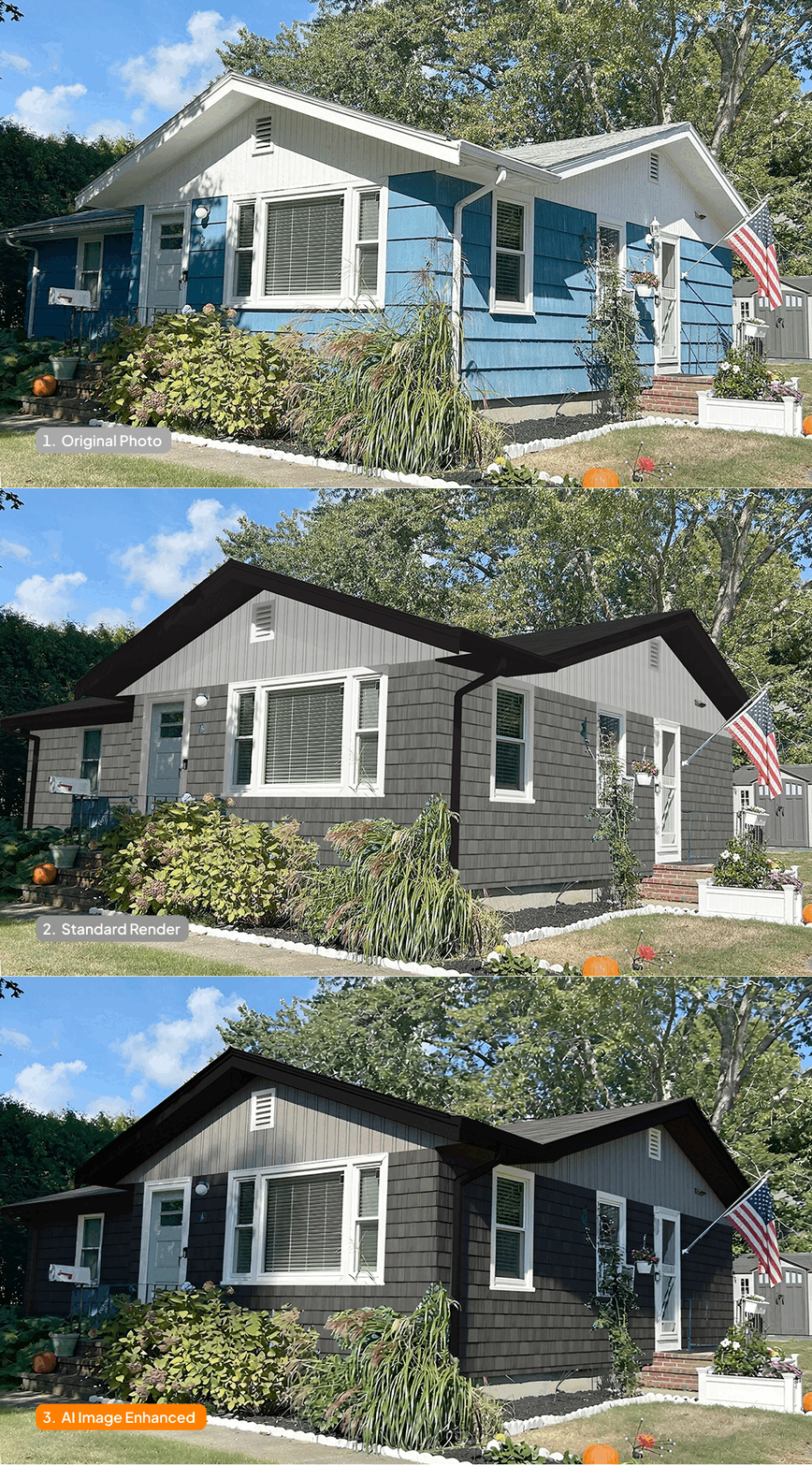
Visualize Your New Roof!
See exactly what your new roof will look like with our free visualization tool.
Frequently Asked Questions About Roofing in Port St. Lucie
Who are the best roofers in Port Saint Lucie?
The best roofers in Port St. Lucie are those who hold a valid Florida roofing contractor license, pull permits under their own credential, document every stage of installation with photographs, and provide written warranties backed by manufacturer certification. Verify the license number on the estimate against the state registry, confirm that the contractor carries workers' compensation and general liability insurance, and request references with verifiable addresses and permit numbers. We hold Florida license CCC1334010, operate with 48 in-house employees, and have completed over 7,000 roof installations in Florida. We respond to every quote request within 24 hours and provide a written scope of work with material specifications before any contract is signed.
What is the average cost for a new roof in Florida?
For a typical 1500 square foot home in Florida, architectural asphalt shingles run approximately $7,500 to $12,000, while standing seam metal costs between $14,000 and $25,000, and tile roofing starts around $18,000. These figures include removal of one existing layer, installation of synthetic underlayment, drip edge, valley metal, ridge cap, and all flashing. Costs vary based on roof pitch, the number of penetrations, the complexity of valleys and hips, and local permit fees. A written estimate should itemize materials, labor, permits, and disposal, and should specify the manufacturer and product line for every component.
What is the 25% roof rule in Florida?
Florida Statutes 553.844(5) establishes that if an existing roofing system or roof section was built, repaired, or replaced in compliance with the 2007 Florida Building Code or any subsequent edition, and 25 percent or more of that system or roof section is being repaired, replaced, or recovered, only the repaired, replaced, or recovered portion must be constructed to the Florida Building Code in effect. Roofs predating it remain subject to the full code upgrade requirement in FBC-EB 706.1.1. This means that a pre-2007 roof undergoing a 25 percent or greater repair must be brought into full compliance with current code, including underlayment, attachment, and wind rating requirements.
How much do roofers charge an hour?
Roofing contractors in Florida typically do not charge by the hour for installation work. We price projects on a per-square-foot basis or as a lump sum based on the scope of work, materials specified, and site conditions. Labor costs are embedded in the total project price and reflect the time required for tear-off, deck preparation, underlayment installation, finish material application, flashing, cleanup, and inspection. Emergency repair services and diagnostic inspections may be billed hourly when the scope is undefined, but the hourly rate varies by contractor and should be confirmed in writing before work begins.
Schedule Your Roof Inspection in Port St. Lucie
Roof Bear provides licensed roofing services throughout Port St. Lucie and St. Lucie County, with every project documented from permit application through final inspection. We respond to all quote requests within 24 hours and provide free inspections when paired with a repair or replacement estimate. Schedule online to verify your roof's condition and receive a written scope of work with material specifications and code compliance documentation.
